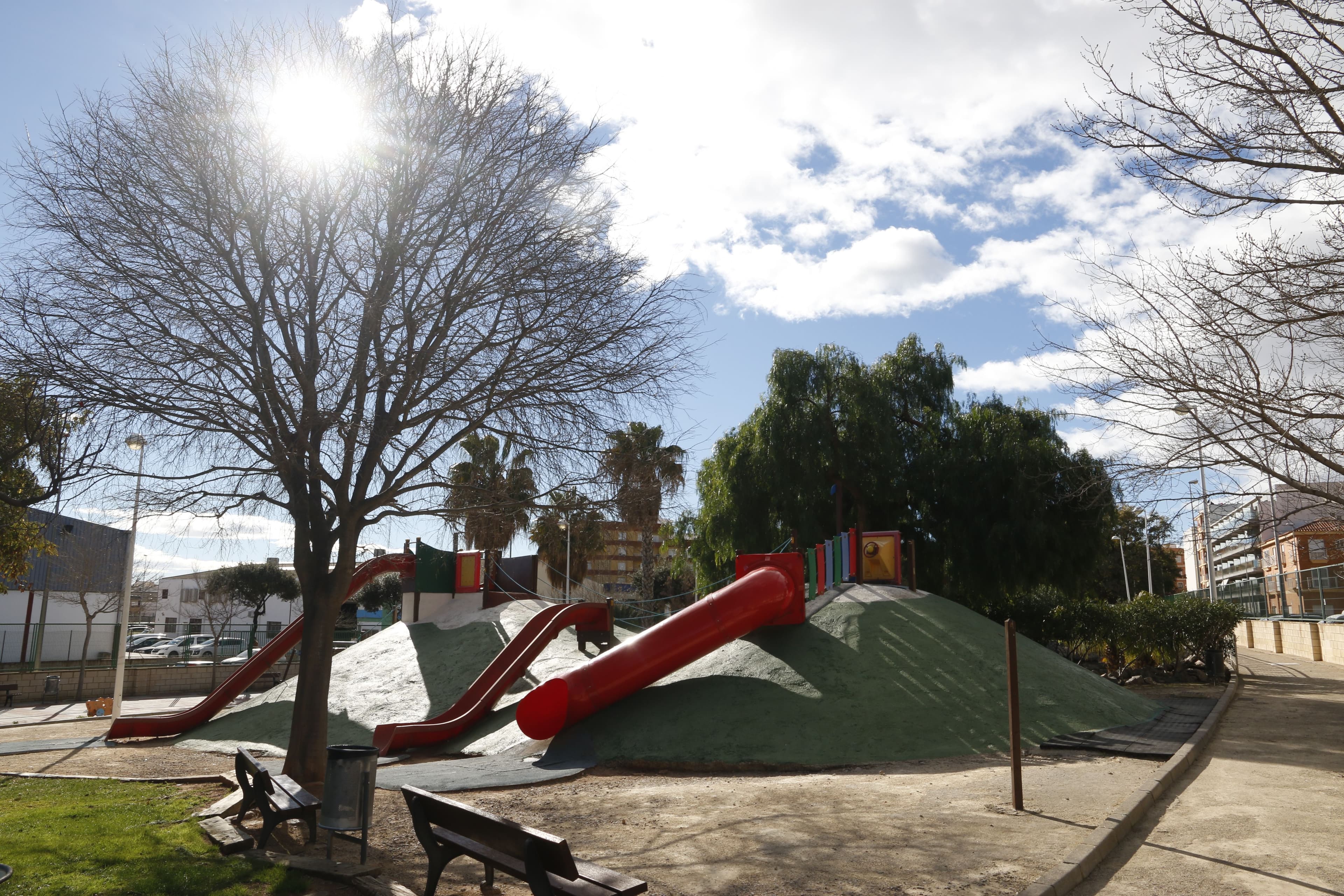
Ribelles Park
Inaugurated on May 25, 1999, it is named after the poet from Puçol, Josep Maria Ribelles i Llobat, and features multiple species of trees.

QUICK GUIDE

Create your own itinerary
Follow these 4 steps to save your personalized visit plan.
Add places
Press "Add to itinerary" on any place, route or service you see.
Order your plan
Drag places to reorganize the route to your liking.
Create the itinerary
Press "Create Itinerary" and save the generated link so you don't lose it.
Download as PDF
If you wish, export the full itinerary to take it offline.
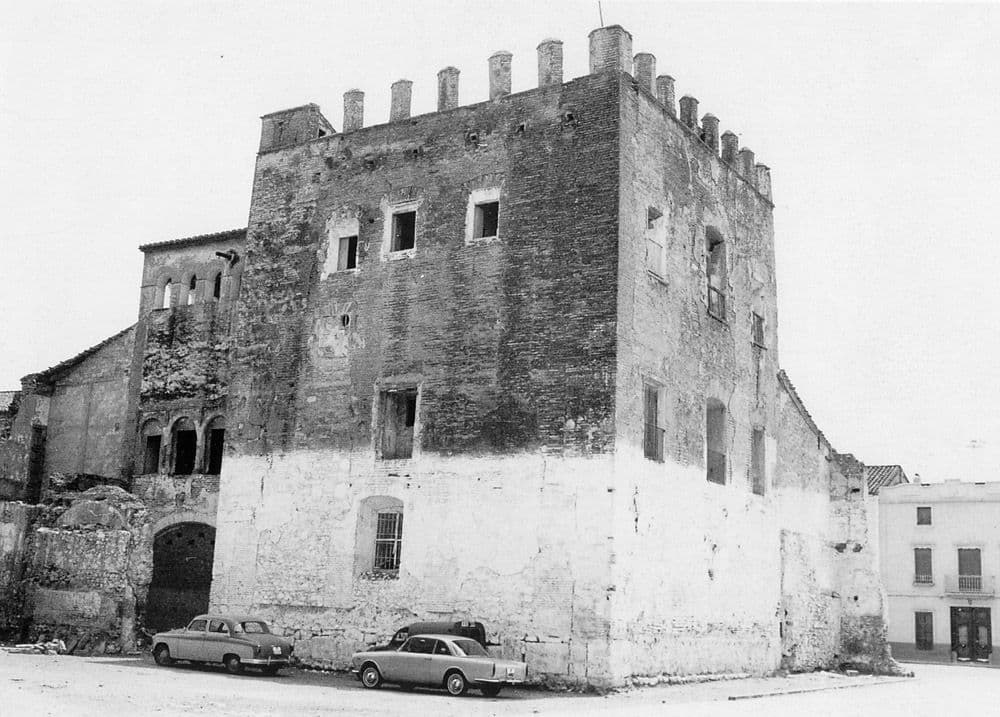
The origins of Puçol date back to Roman times, when it was called Puteus, which means "Well"
 Historical
Thanks to its geographical location between the sea and the mountains, the origins of Puçol date back to the Roman era, when they settled in Trull del Moro. It was a small village, whose existence is known from the discovery of four gravestones in different streets of Puçol. At that time, the place was called Puteus, meaning "Well," due to the damp area and the abundance of water. The Valencian Academy of Language states that the word Puçol is of Latin origin, derived from putteoleum ("the well").
During the Muslim period, according to the chronicler Francisco Roca, the village began to be called Puigsol and gained considerable popularity due to its location between two major fortresses: Sagunto and El Puig.
In the 13th century, the town was conquered by James I. Over time, its name evolved to Pussol, and finally became Puçol, which is also the official name today by Decree of the Consell (Island Council) of 1979, supported by a report from Sanchis Guarner that confirms its scientific validity.
James I granted the town of Puçol to Assalid de Gudal, a knight in the king's army. In this way, Gudal became the first territorial lord of Puçol and its first political leader. Five years later, James I bought the Alquería (farmhouse) of Puçol from Gudal and gave it to Bishop Arnaldo de Peralta, his chapter, and the monastery of Roncesvalles, as payment for the tithe they had once lent him to finance his conquests. Thus, Puçol came under Christian control.
From the 15th century onwards, following the Black Death of the 14th century, the town experienced significant growth thanks to fruit exports.
The town's most important monuments, the Church of San Juan and the Archbishop's Palace, were built in the 17th century by the Archbishop of Valencia, Juan de Ribera, who also established one of the first botanical gardens in Spain, the first university garden, and the oldest in Europe. It is said that the peanut was first planted in Spain there.
In 1808, the Battle of Puçol took place during the Spanish War of Independence, a significant event that marked the town's struggle against the invasion of French troops from what is now Sagunto. A fierce battle was fought in the Hostalets area; to prevent the French from advancing towards Valencia, the irrigation ditches were opened, flooding the entire town.
In the 20th century, following the first democratic elections in 1979, won by the socialist Josep Vicent Cuello, the town underwent modernization, and the main infrastructure it enjoys today began to be built. These include the Municipal Sports Center, the House of Culture, the Sports Palace, the La Barraca Social Center, the Martínez Coll Social Center, and the Senior Citizens' Social Center.
In the 21st century, changes in government have been very frequent, not only with municipal elections every four years, but also with two motions of no confidence presented in 2004 and 2008. The mayoralty has alternated between Josep Mª Iborra (PSOE), Juan Manuel Busto (United Left), Mariano Sanchis (People's Party), José Vicente Martí (PSOE), Merche Sanchis (People's Party), and Enric Esteve (Compromís).
Among the new infrastructure, the transformation of the pebble beach into a modern sandy beach stands out. This beach is protected by five breakwaters that prevent sand from being washed ashore, and features a promenade that runs along more than 2 kilometers of coastline. All of this was inaugurated in the summer of 2004.
Furthermore, in 2014, the Camí La Mar, the access road from the town center to the beach, was restored, separating the road for cars from the Vereda Mangraners, a path for walking, cycling, or walking with pets to the beach.
Inaugurated on May 25, 1999, it is named after the poet from Puçol, Josep Maria Ribelles i Llobat, and features multiple species of trees.
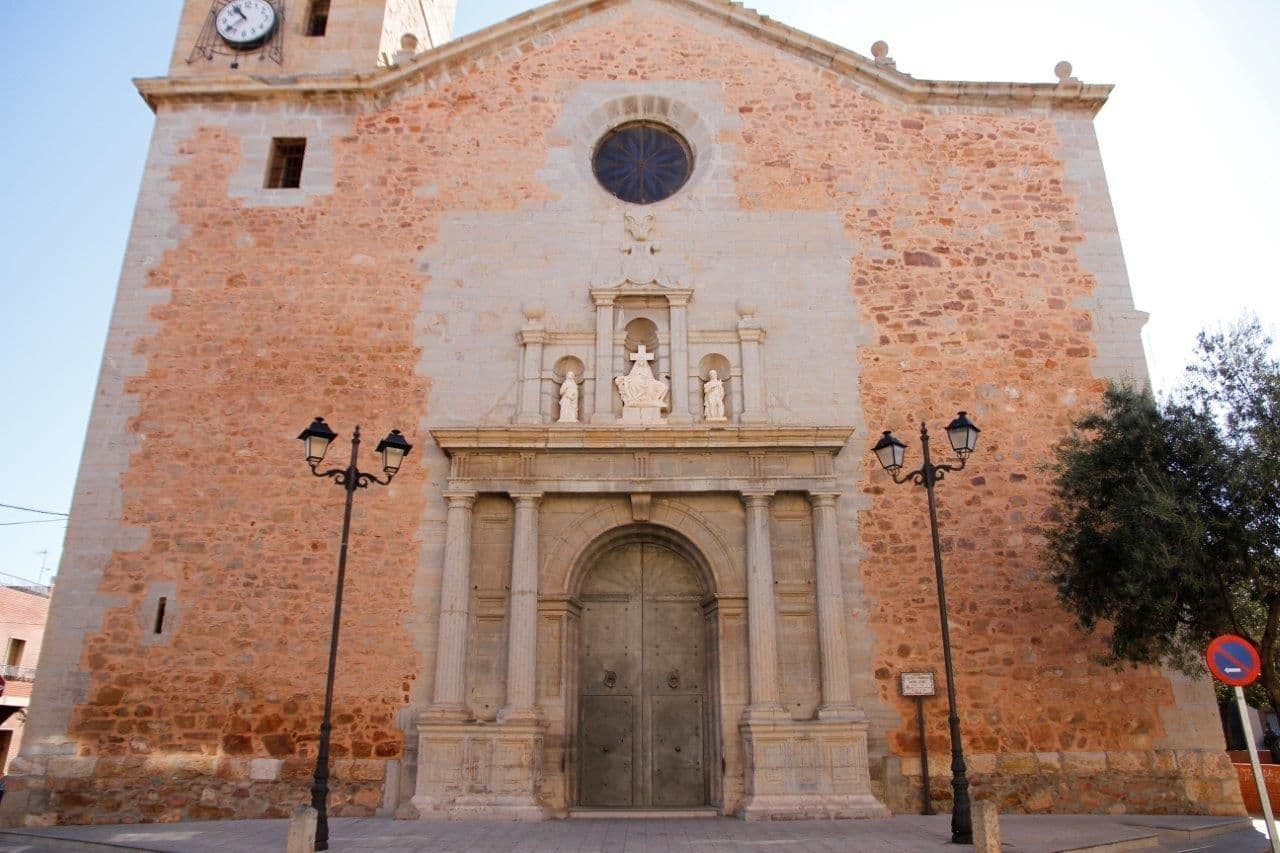
The nerve center of the town, where faith and architecture meet.
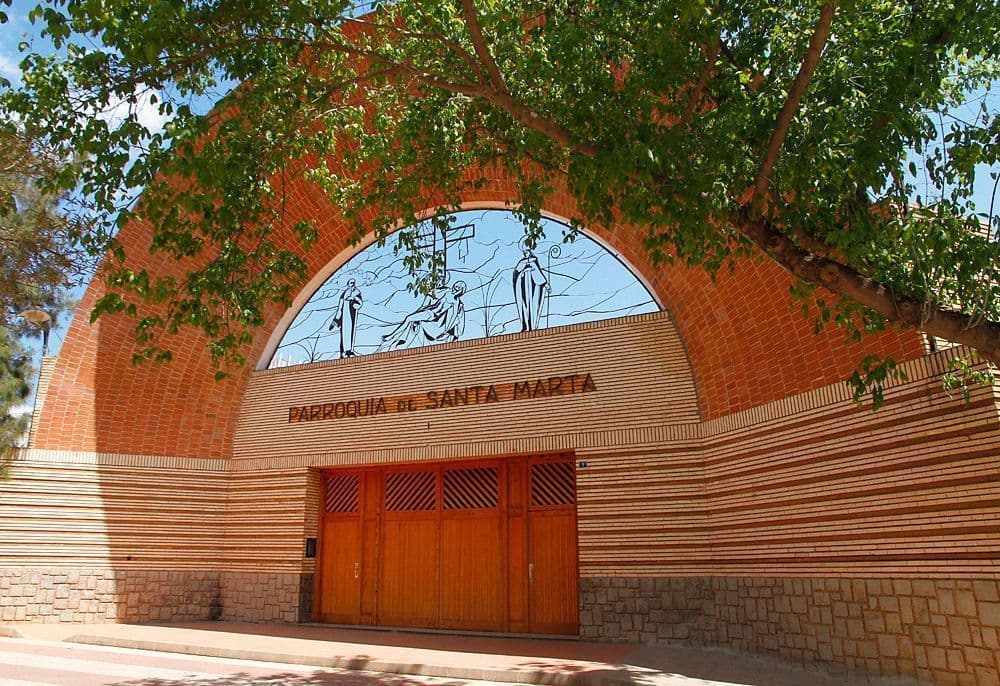
It is a modern-style church inaugurated in 1964. It is characterized by its functional design, typical of the final stage of the Second Vatican Council, where the use of natural light and the fact that it was built by the local parishioners themselves are particularly noteworthy.
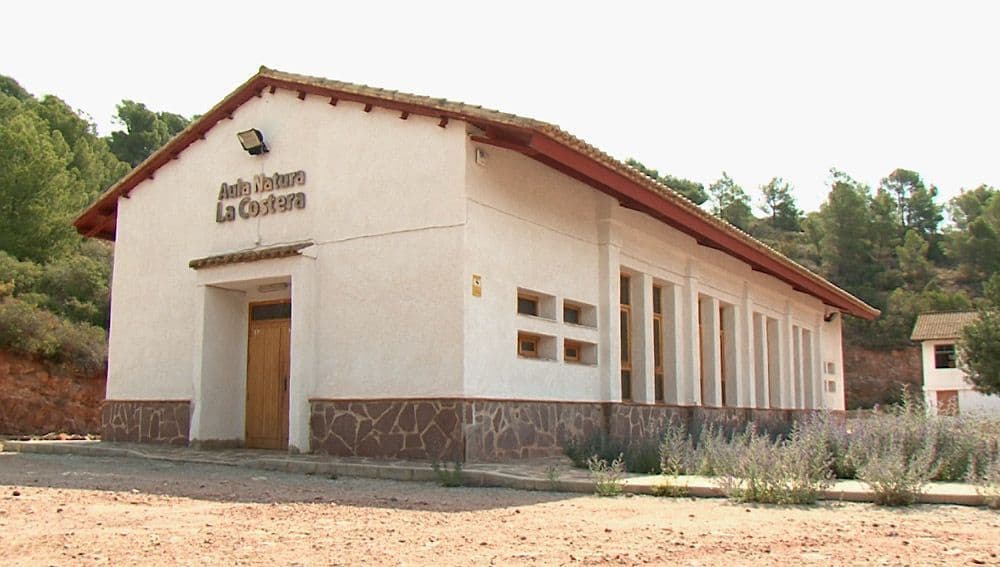
A protected area of 517,245 m² that combines the recovery of Mediterranean biodiversity with environmental education infrastructure such as the Aula Natura.
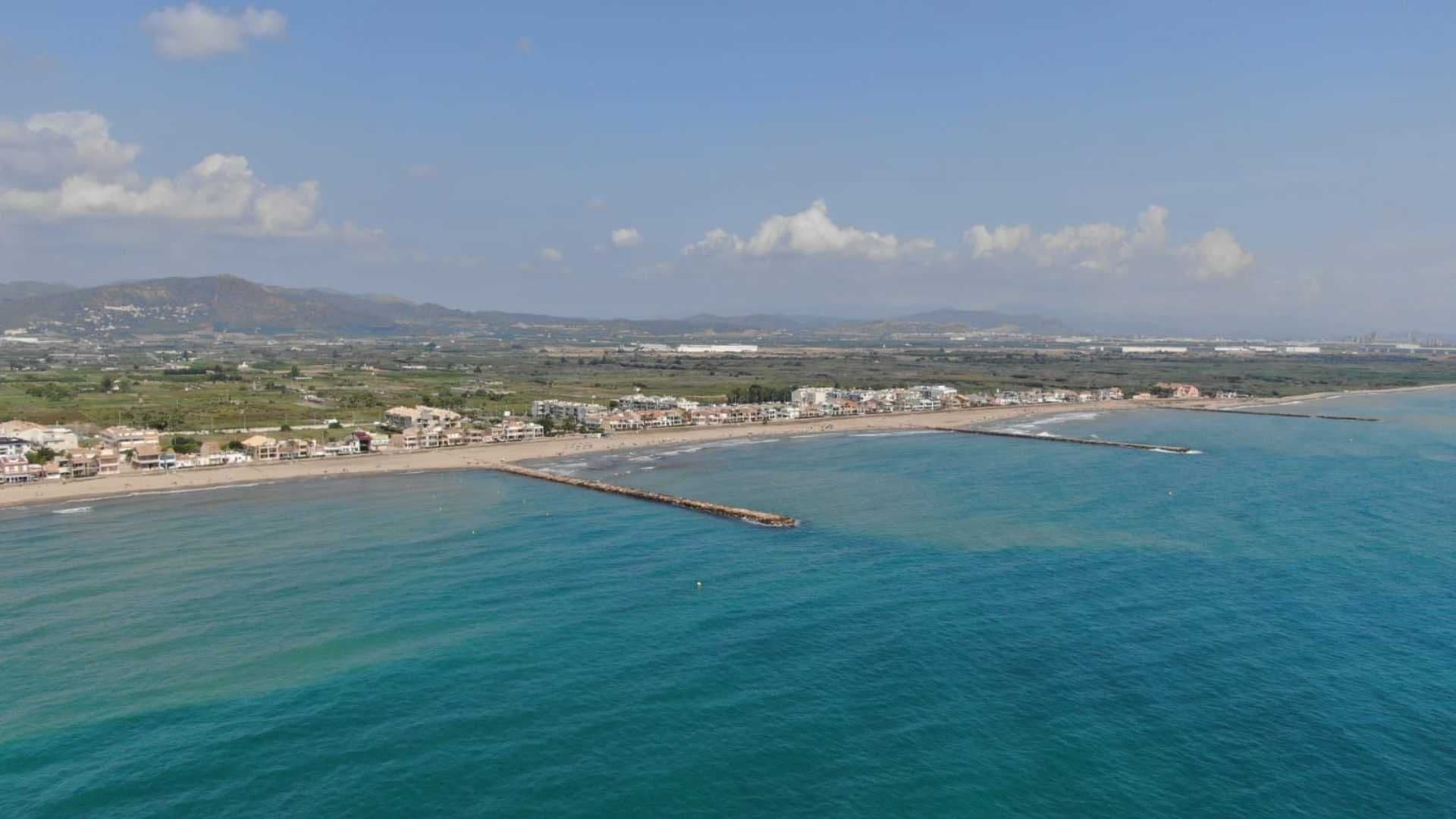
More than two kilometers of coastline awarded the Blue Flag, which stands out for its fine sand, calm waters and a pedestrian promenade ideal for family and accessible tourism.
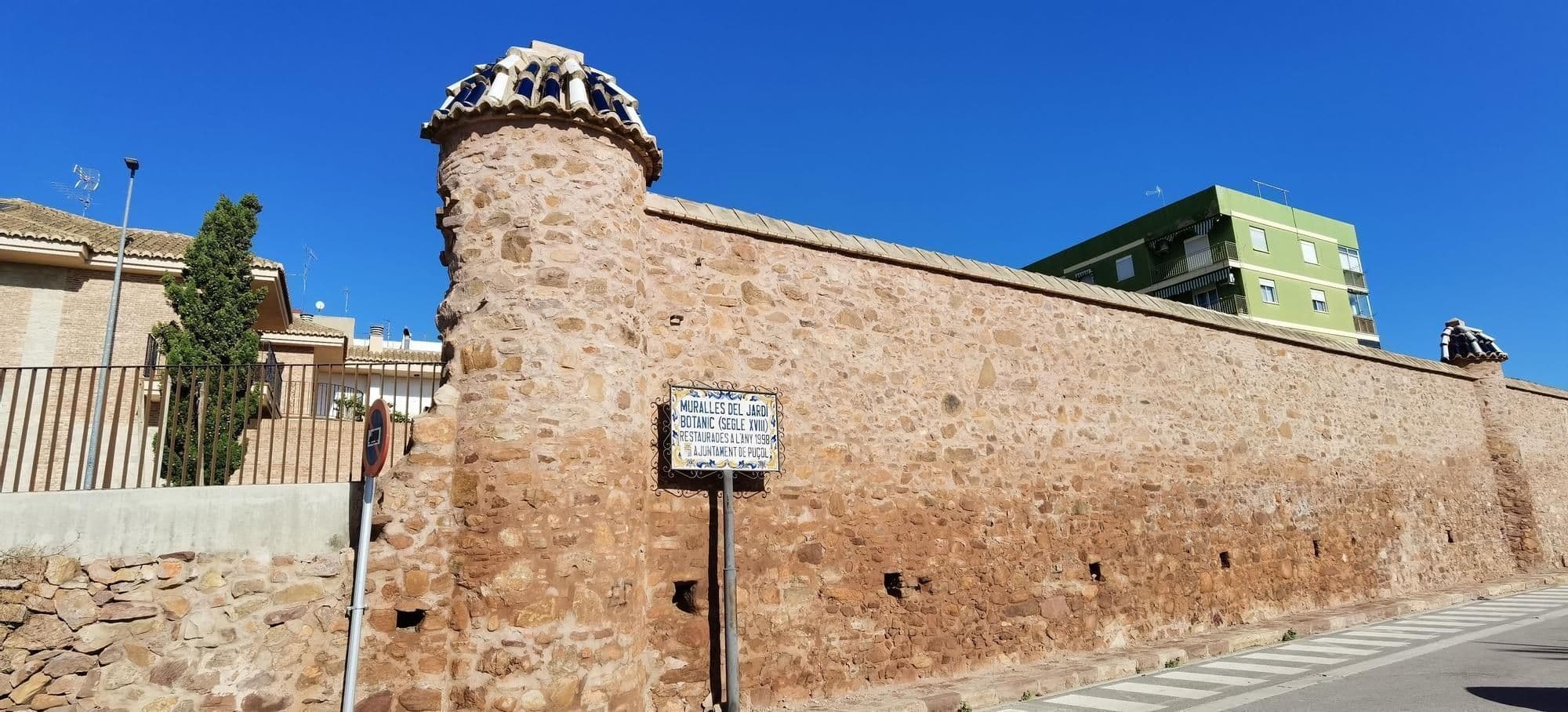
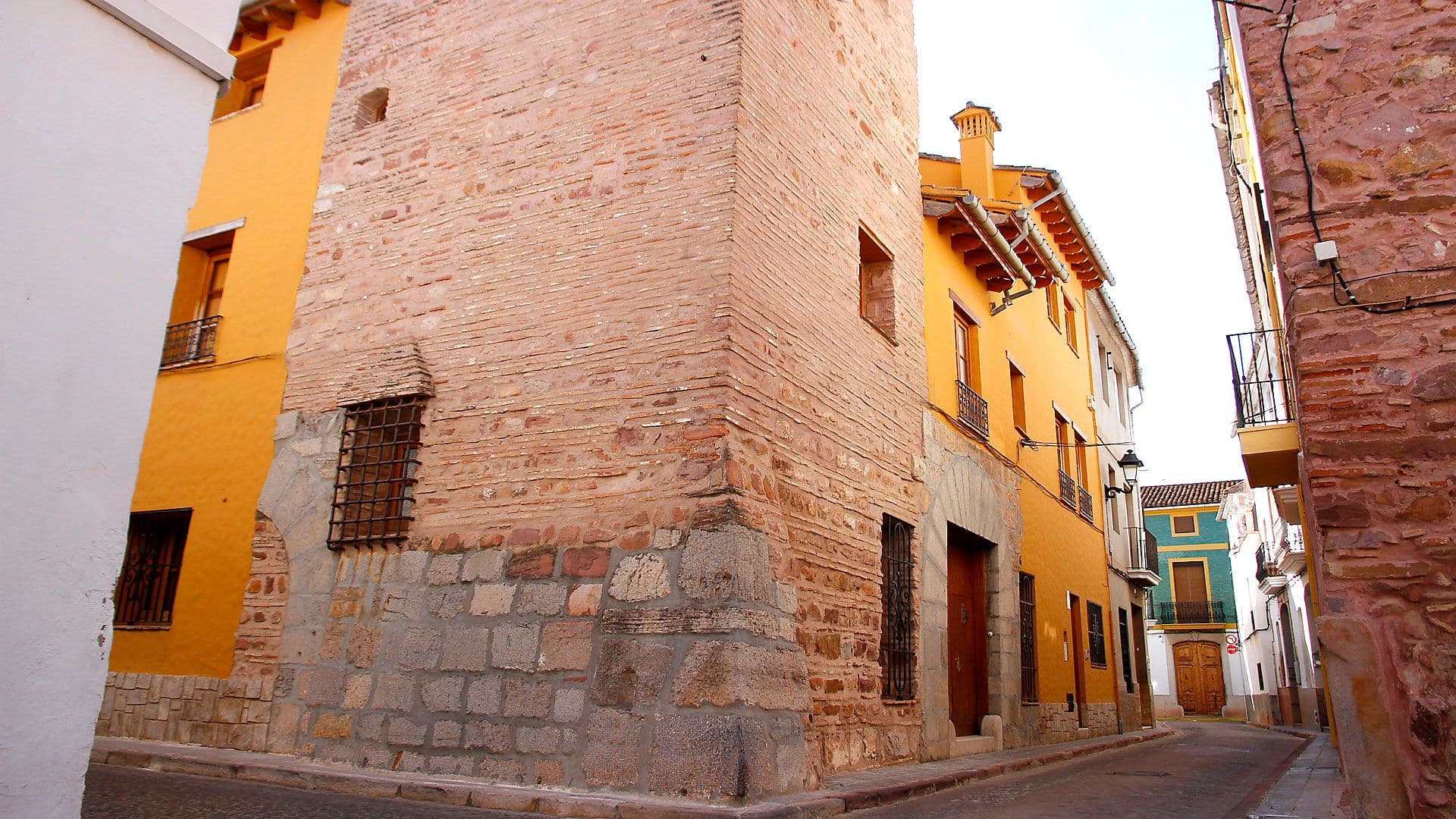
Baroque remains of the old Archbishop's Palace that protected the first university botanical garden in Europe.
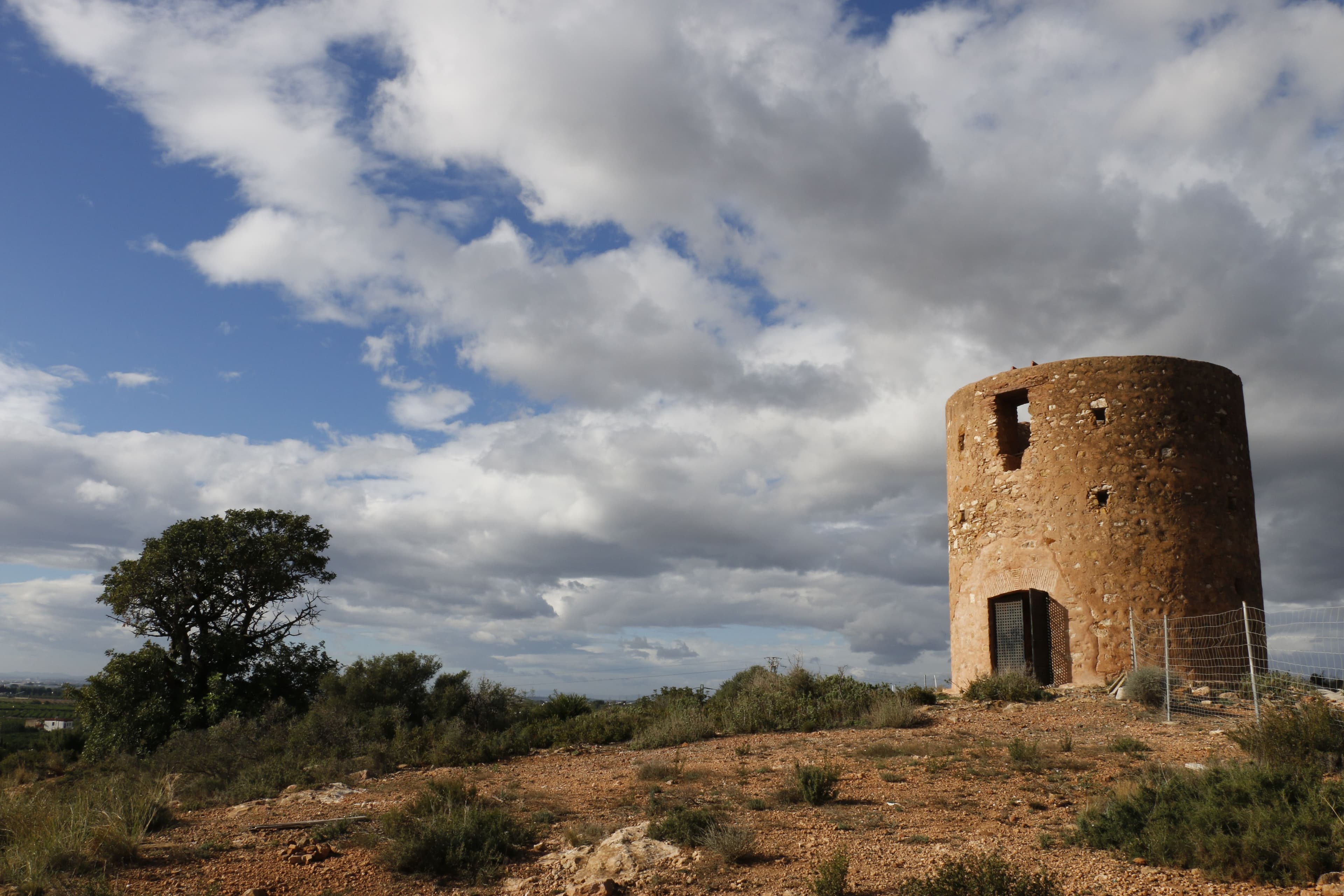
Old mill of Arab structure located on a strategic hill, offering one of the best panoramic views of Puçol and the Mediterranean coast.
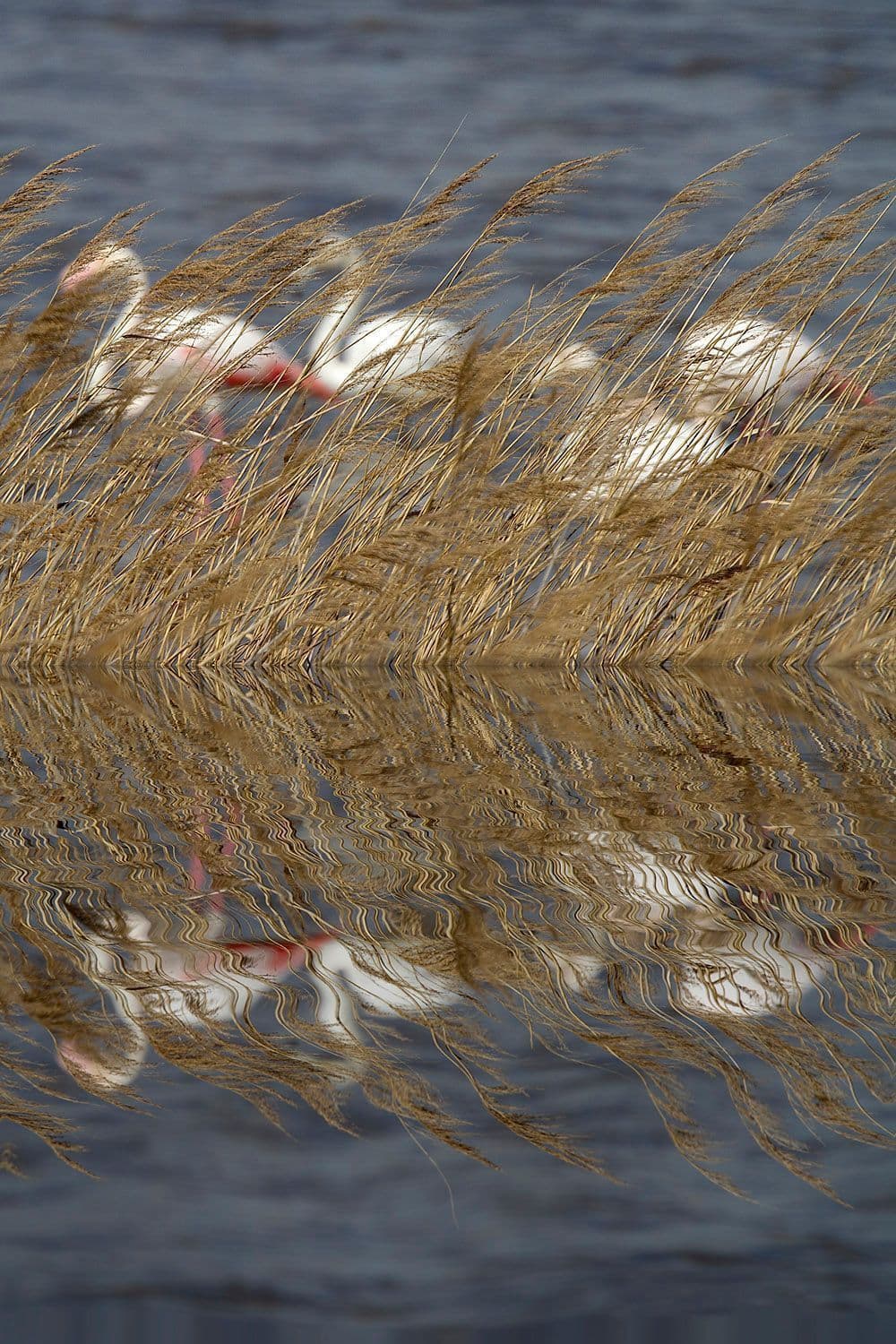
Wetland of extraordinary ecological value, classified as a ZEPA area, fundamental for the survival of aquatic birds and native species in danger of extinction.
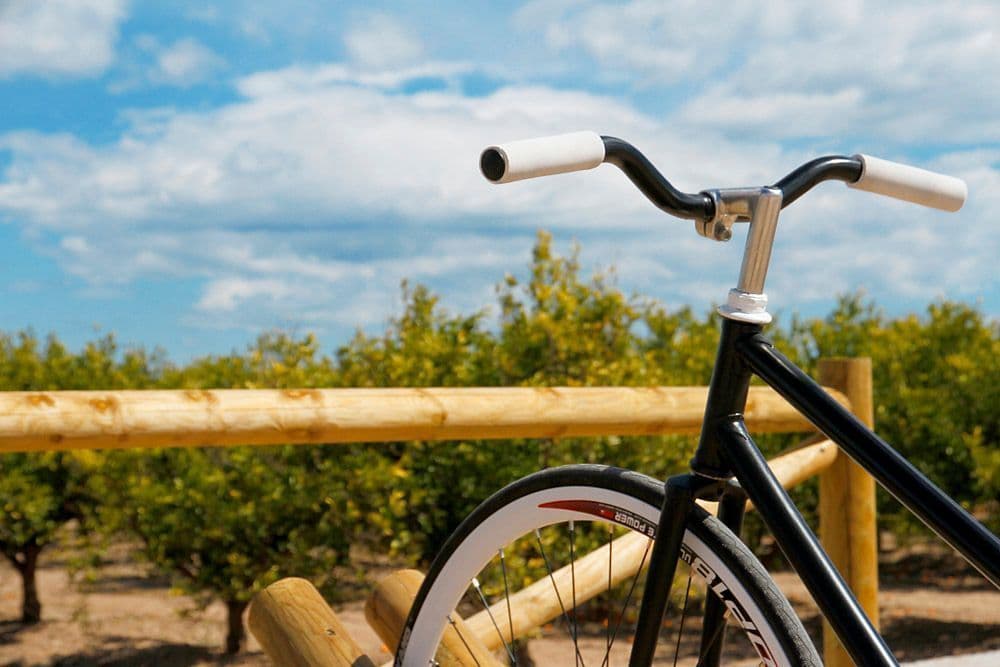
Pedestrian and cycling axis that connects the heart of the town with the breeze of the beach and the sea.
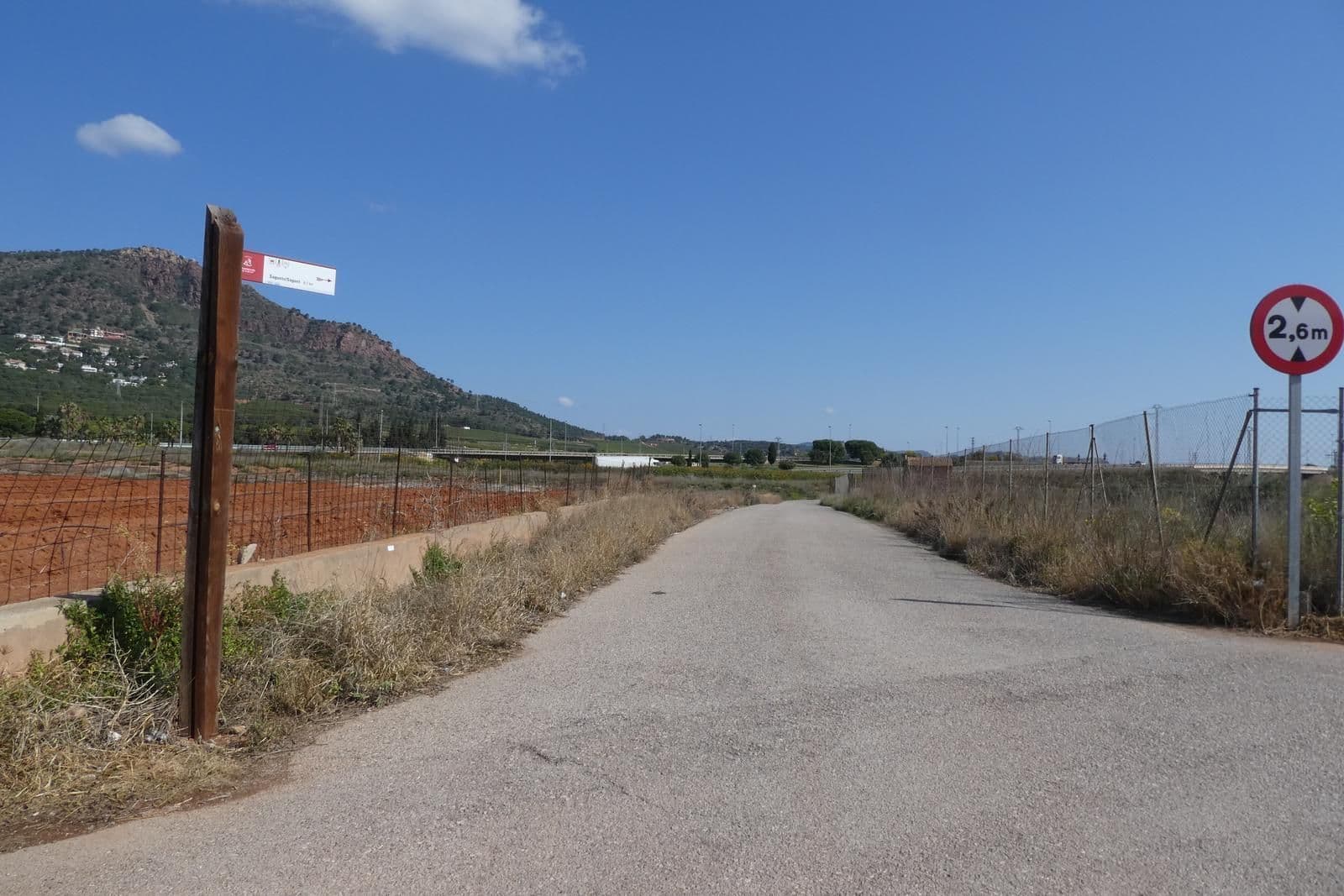
Historical-literary itinerary that follows in the footsteps of the Castilian knight Rodrigo Díaz de Vivar.
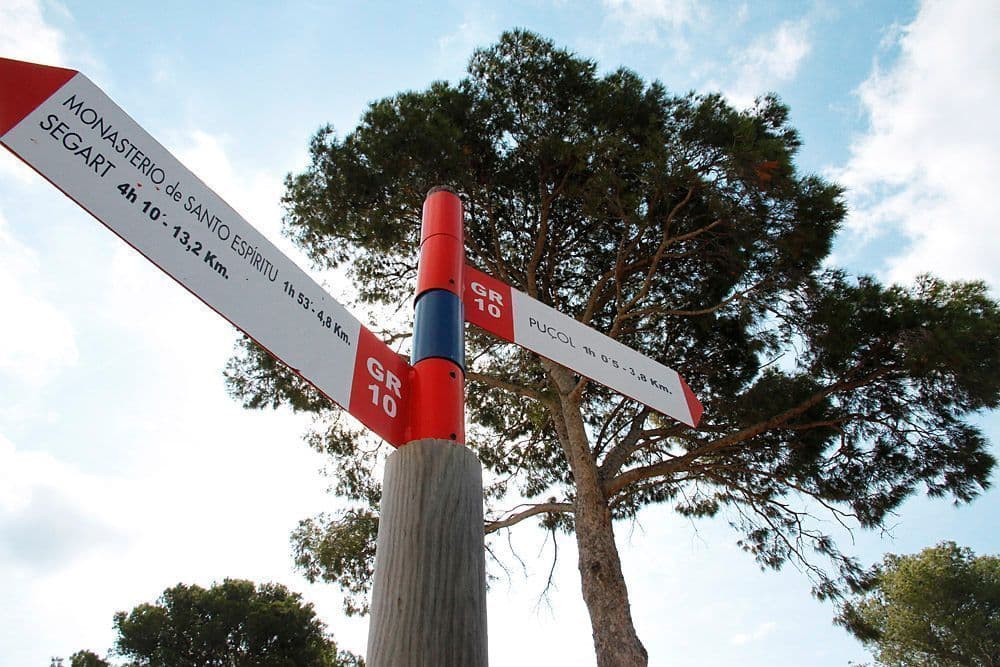
The longest trail on the Iberian Peninsula, linking the Mediterranean with the Atlantic. A trans-Iberian crossing that begins in the heart of our municipality.
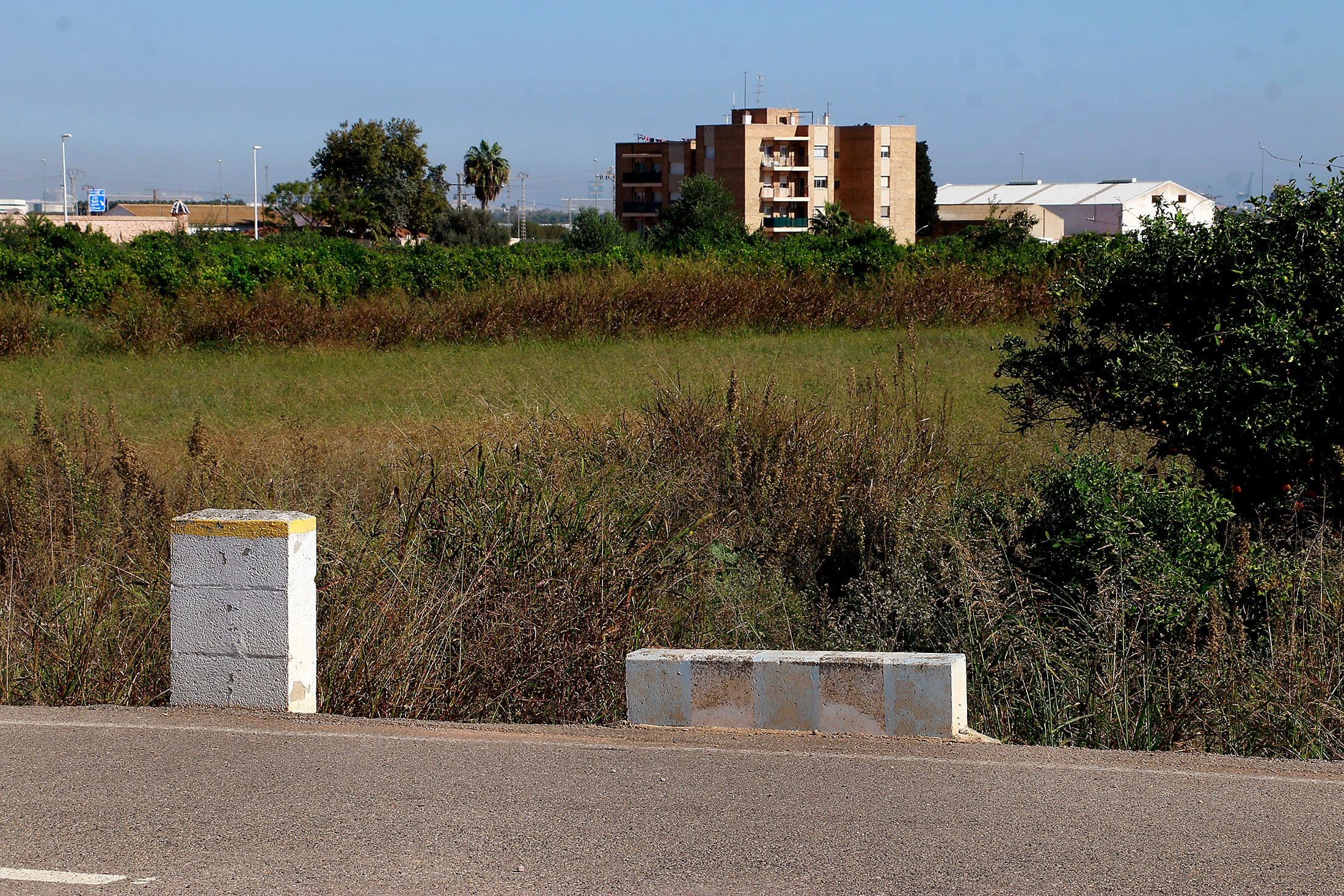
The longest Roman road in Hispania. A cultural and scenic route that skirts the Mediterranean, linking the Pyrenees with Cádiz.
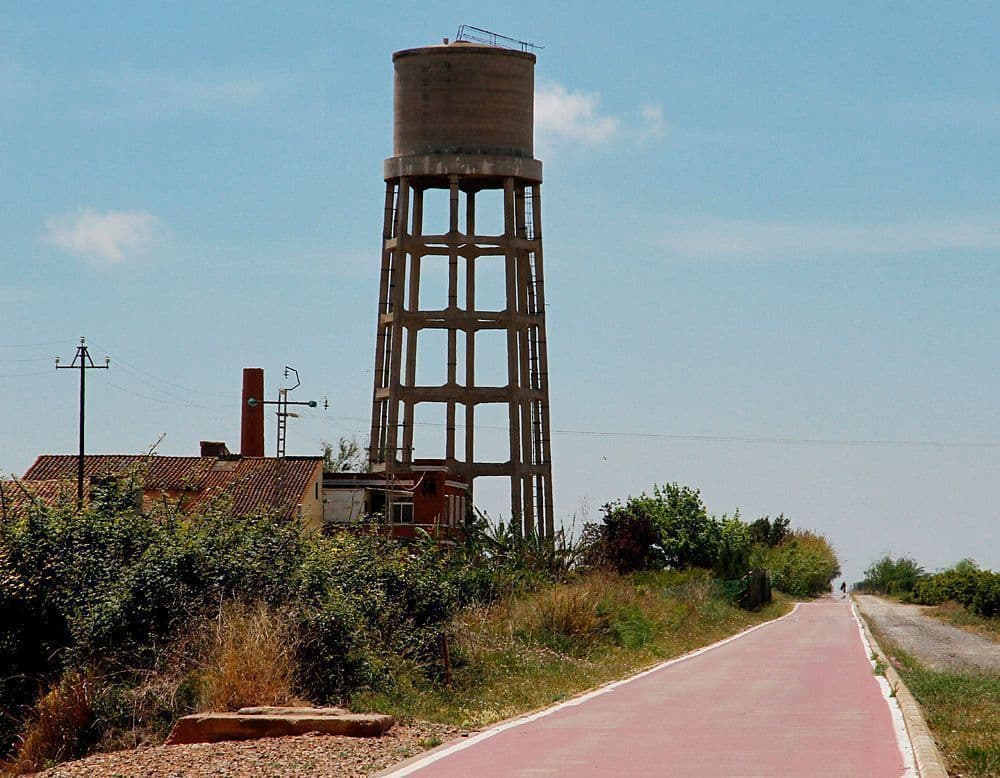
A cycle and pedestrian path that follows the route of the old mining railway. A peaceful walk through orchards that connects Puçol with Valencia.
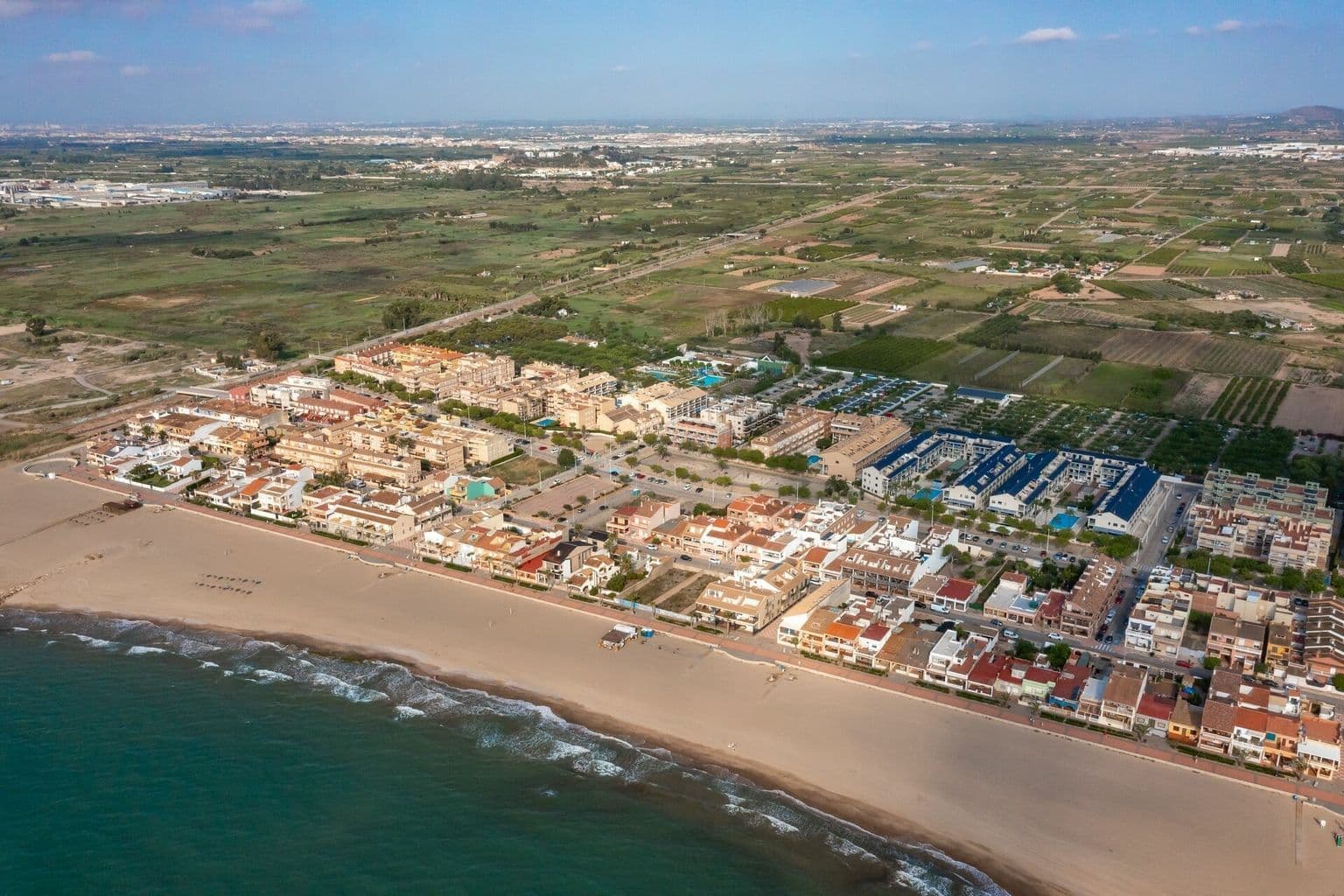
Family-friendly beachfront resort with bungalows, swimming pools, and recreational activities.
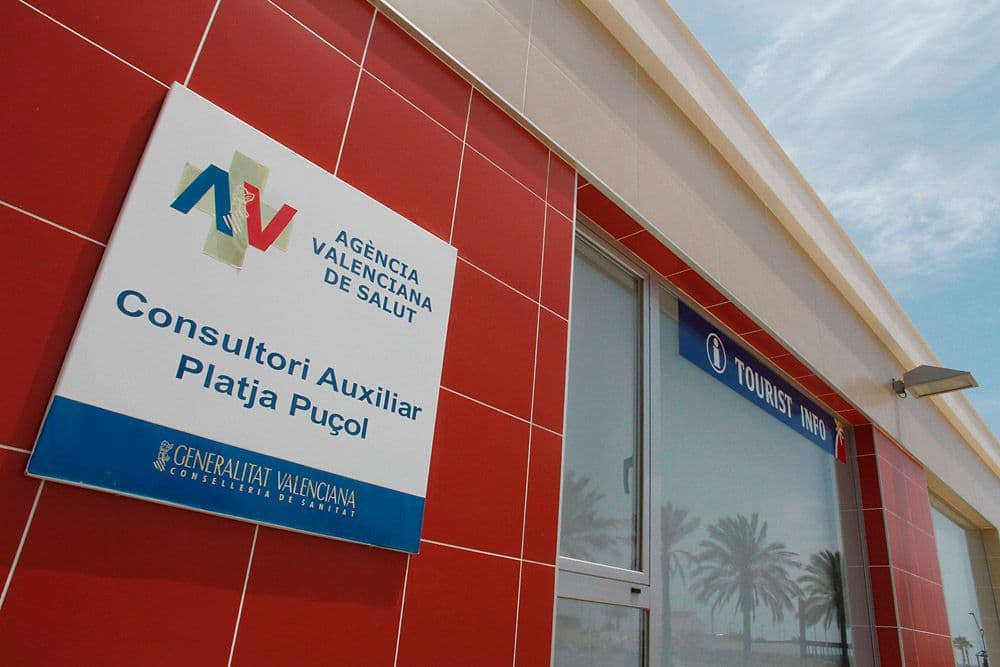
Auxiliary medical office for healthcare during the summer season.

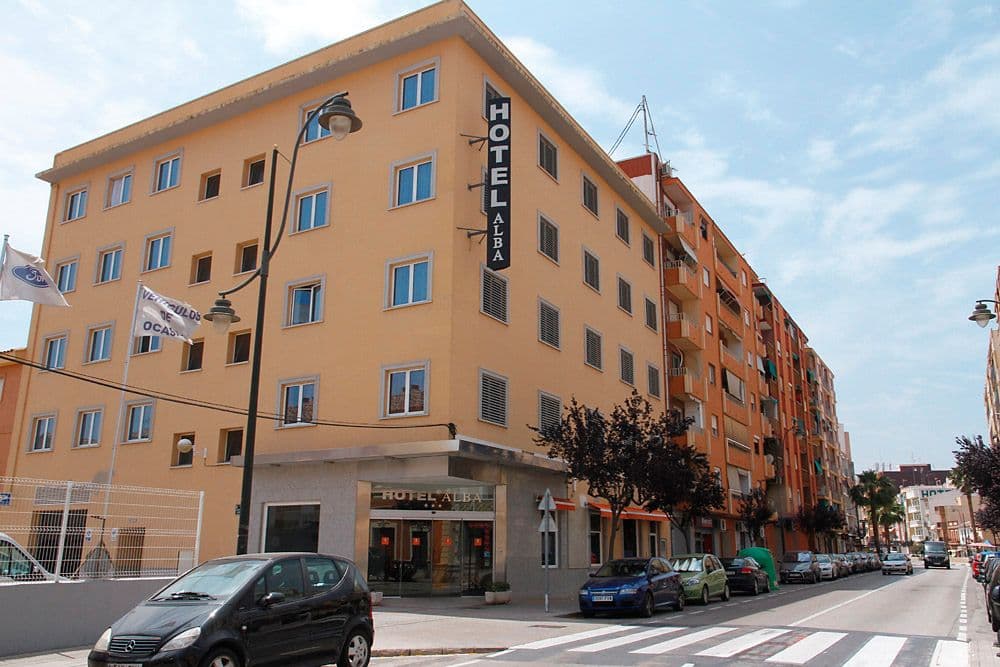
Modern and functional hotel, ideal for business stays or getaways near Valencia.
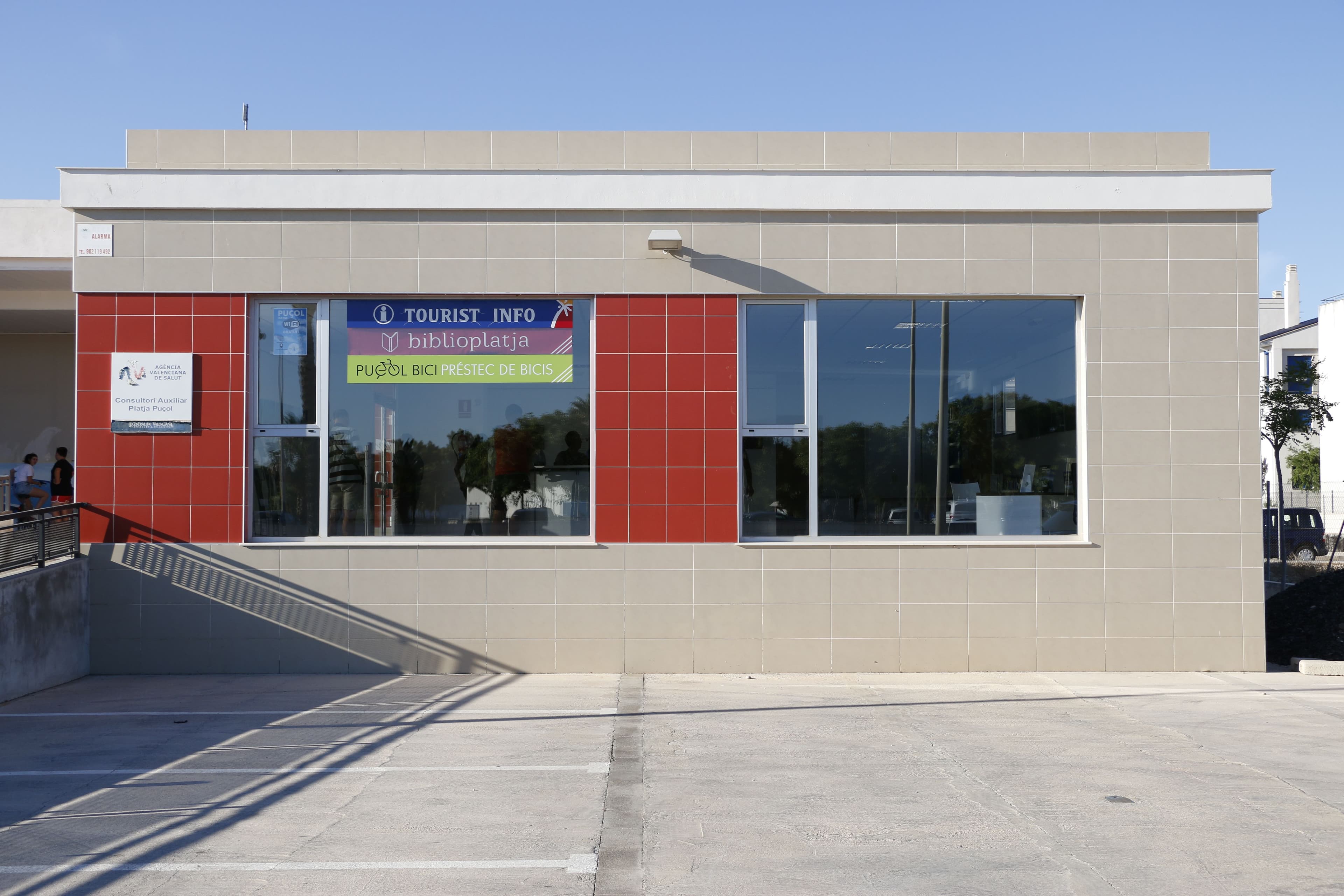
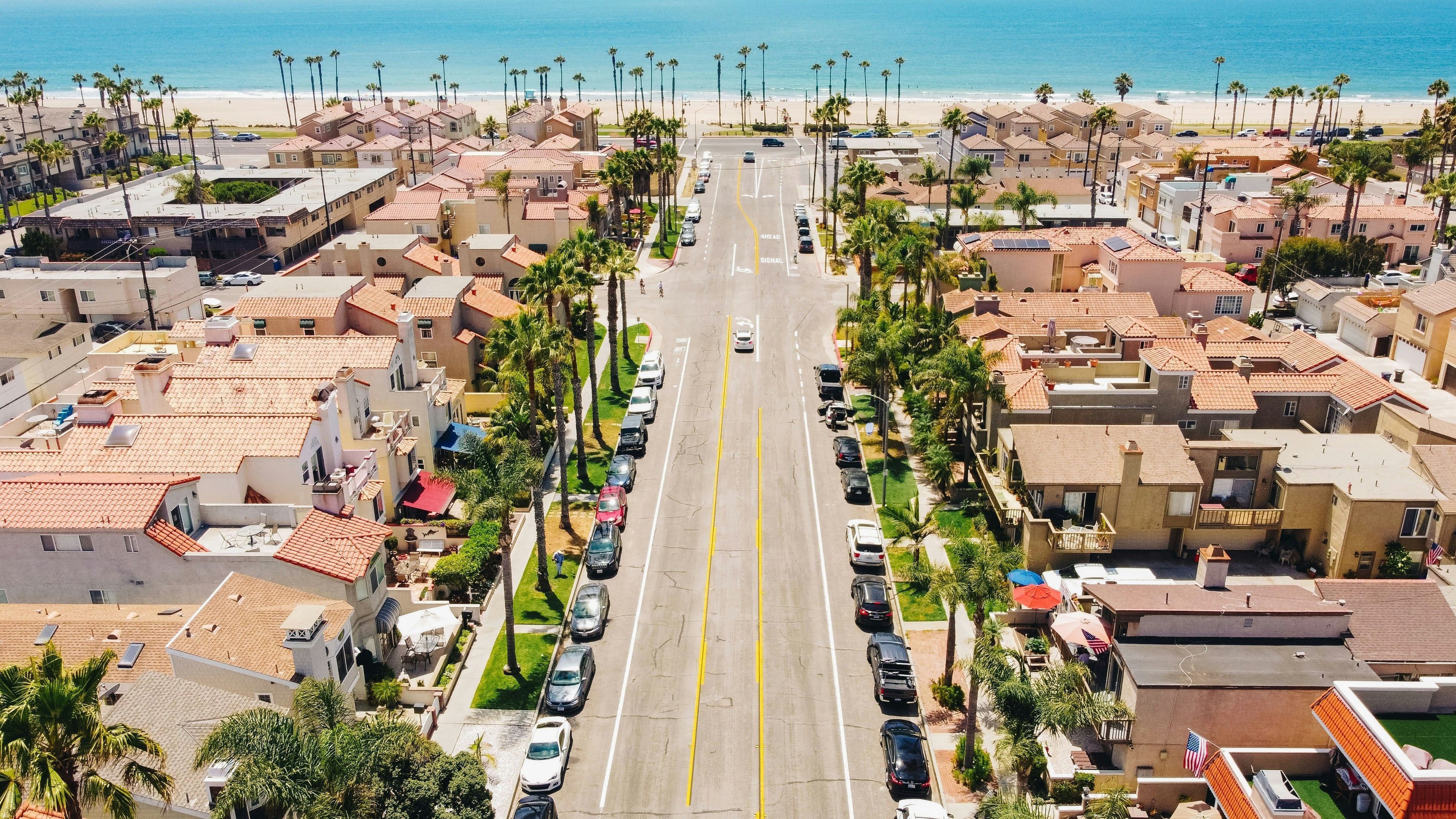
Large free parking area with direct access to the beach and promenade.
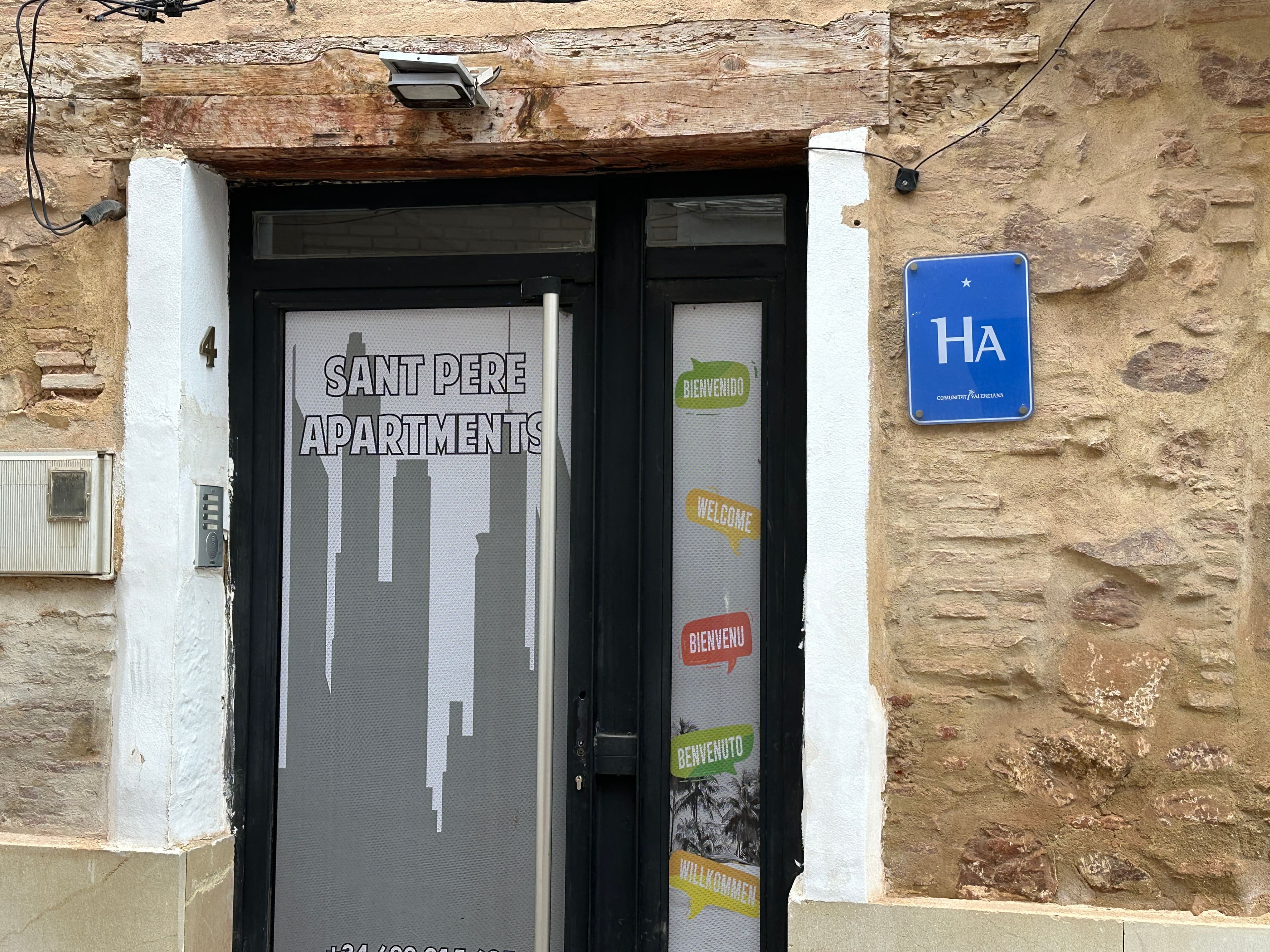
Modern tourist apartments located in the historic centre of Puçol.
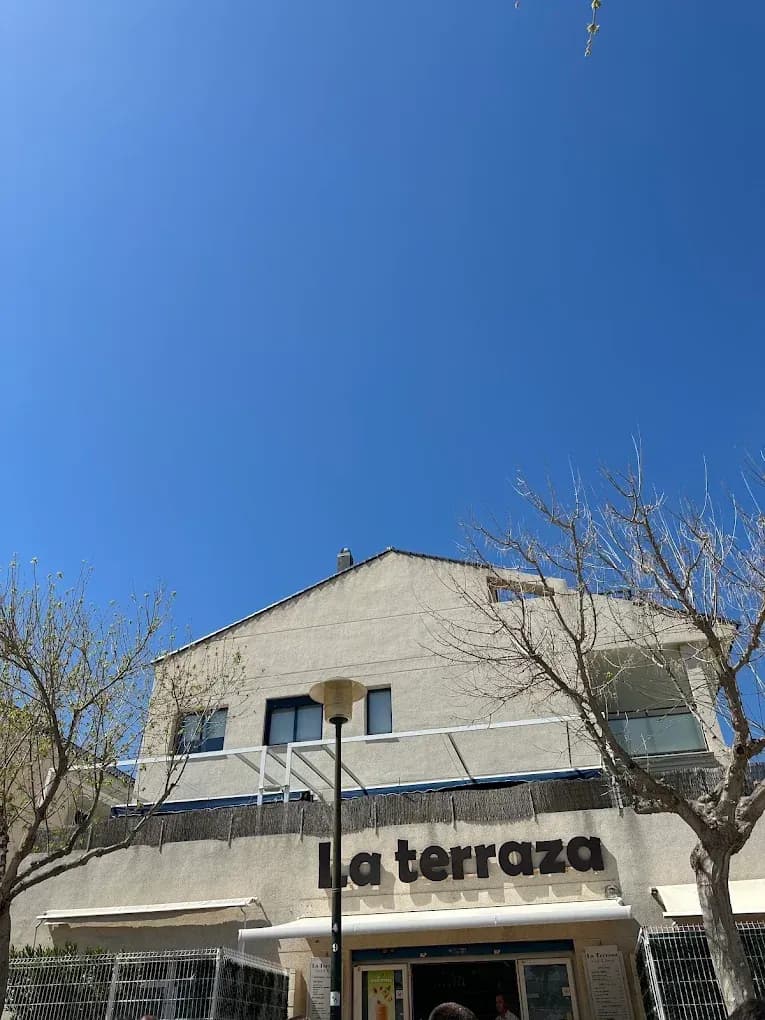
La Terraza Food and Drink is an informal and welcoming space where you can enjoy simple food, drinks and a relaxed atmosphere, ideal for meeting up and experiencing great moments.
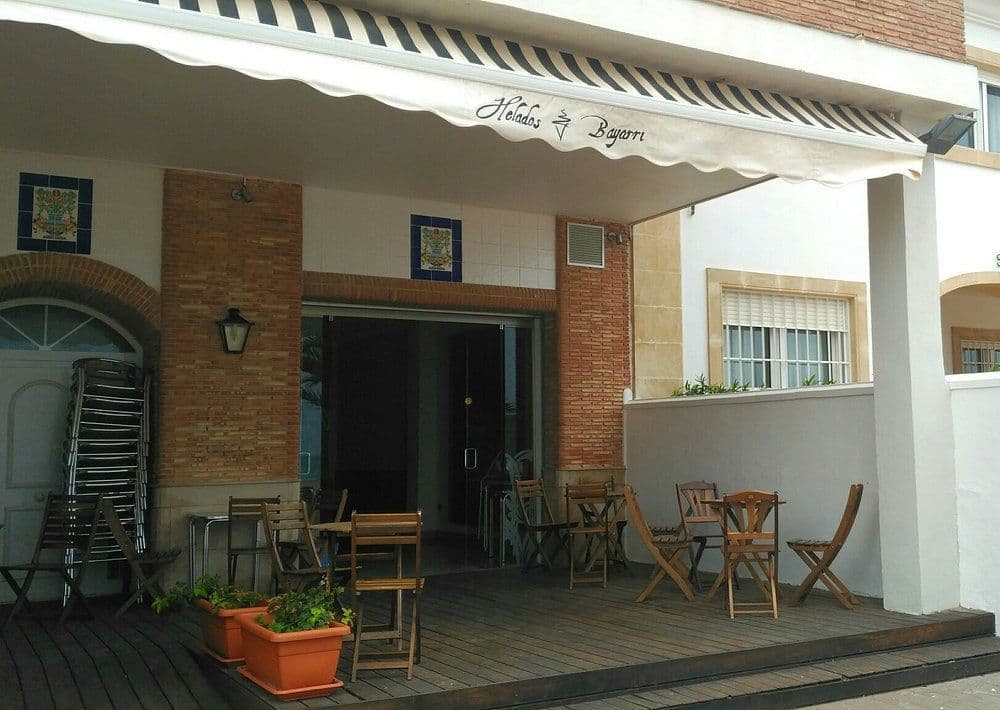
Helados Bayarri is an ice cream shop designed to enjoy the most refreshing flavors by the sea, with horchata and a wide variety of ice creams in an environment perfect for sharing moments with family or friends.
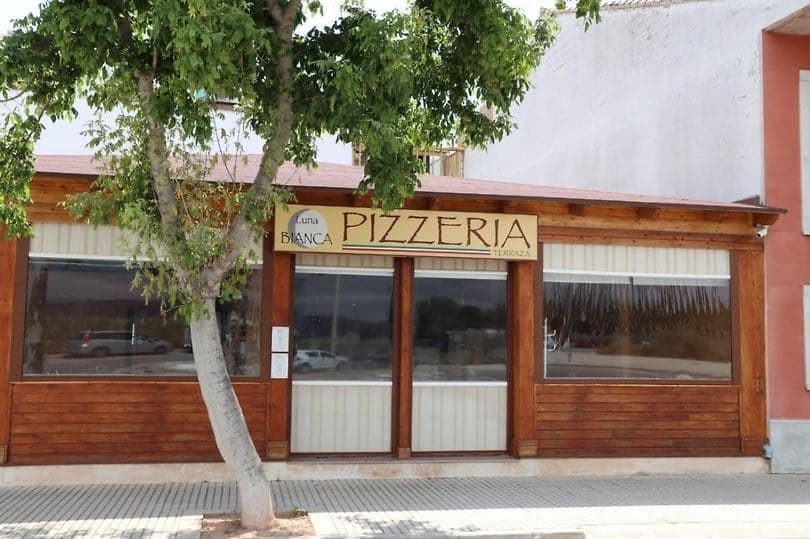
Luna Bianca is a cozy pizzeria with a friendly, family atmosphere. Artisan pizzas, pastas, and authentic flavors make every visit a memorable experience to enjoy and share.
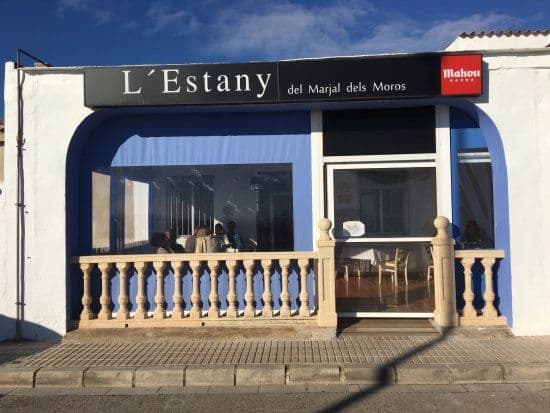
L’Estany is a restaurant that offers an experience linked to the rhythms of the sea and Mediterranean coastal culture. In a rustic setting, surrounded by nature, its menu features rice dishes, fresh fish, and grilled meats, with a Valencian essence alongside the Marjal dels Moros wetlands.